


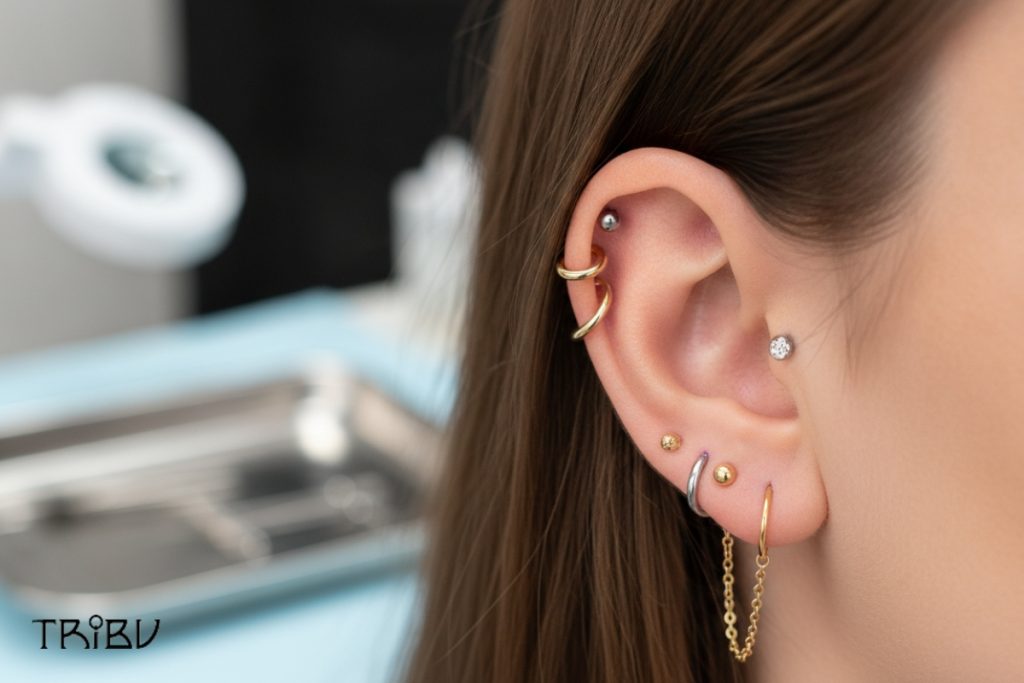
The practice of body piercing extends beyond mere aesthetics; it is a discipline rooted in precision and an understanding of the human body. When considering a new piercing, one of the most significant factors contributing to a successful outcome is correct piercing anatomy placement. This foundational principle dictates not only the visual appeal of a piercing but also its long-term viability, healing process, and overall comfort. Incorrect placement can lead to complications, discomfort, or even rejection of the piercing. At Tribu Piercings, we prioritize a meticulous approach to placement, ensuring each piercing is situated with respect to your unique physiological structure.
Key Takeaways:
- Anatomy is paramount: Successful piercings depend on careful consideration of your individual body structure.
- Precision prevents problems: Correct placement minimizes risks like migration, rejection, and prolonged healing.
- Expertise matters: A skilled piercer assesses your anatomy to determine the ideal site and correct piercing depth.
- Jewelry selection is key: Appropriate jewelry supports proper healing and complements the placement.
- Aftercare is essential: Diligent care supports the healing of a well-placed piercing.
The Fundamentals of Piercing Anatomy
Understanding piercing anatomy begins with recognizing that every individual’s body is distinct. What works for one person may not be suitable for another, even for seemingly common piercings. This individuality necessitates a personalized approach to placement.
Defining Anatomically Correct Placement
Anatomically correct placement refers to situating a piercing in a location that:
- Supports long-term healing: The tissue surrounding the piercing should be robust enough to sustain it without excessive stress.
- Minimizes migration or rejection: Placement should avoid areas of high movement or tension that could cause the body to push the jewelry out.
- Promotes comfort: A well-placed piercing should not interfere with natural movements or cause chronic irritation.
- Achieves desired aesthetic: The piercing should complement your body’s natural lines and features.
The piercer’s role involves a thorough assessment of the specific area intended for piercing. This includes evaluating tissue density, cartilage structure, nerve pathways, and vascularity to identify the safest and most stable location.
The Role of Individual Anatomy
Your unique anatomy directly influences the feasibility and specific placement of various piercings.
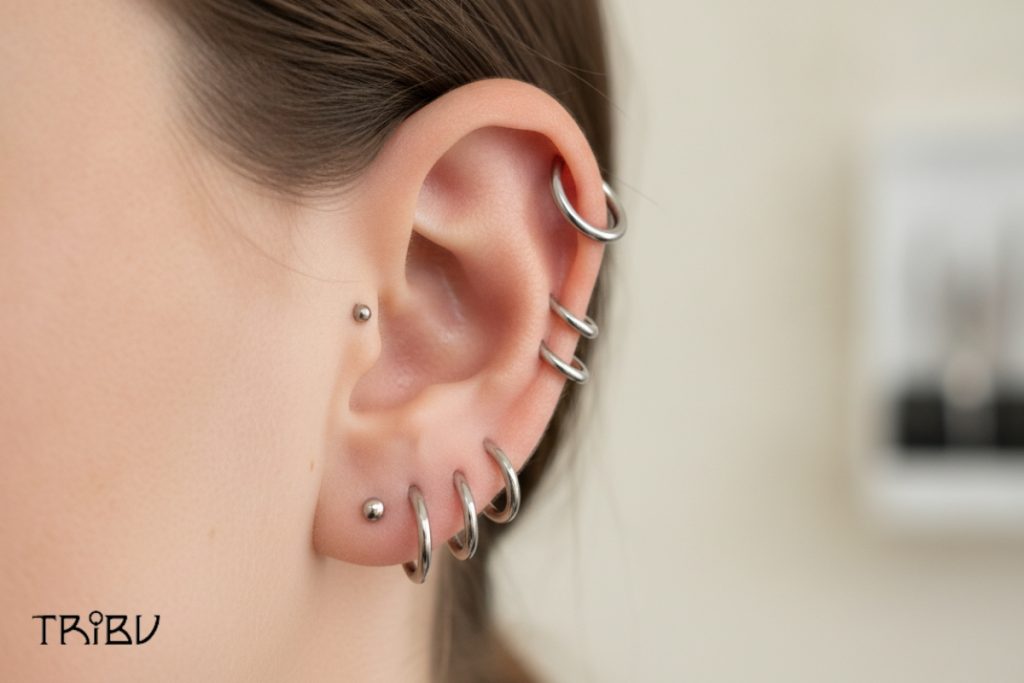
- Ear Cartilage: The intricate folds and ridges of the ear (helix, conch, tragus, daith, rook) vary significantly. Some individuals may have a prominent ridge suitable for a rook piercing, while others may not.
- Navel: The shape and depth of the navel determine if a traditional navel piercing is viable or if a floating navel piercing would be more appropriate.
- Nipple: Nipple size, projection, and areola structure are considered for nipple piercings.
- Oral Cavity: Tongue thickness, frenulum placement, and gum line recession are critical for oral piercings.
A skilled piercer will discuss these anatomical considerations with you, explaining why a particular placement might be ideal or why another might pose challenges.
Key Considerations for Correct Piercing Depth
The depth at which a piercing is performed is as critical as its surface location. Correct piercing depth directly impacts healing, stability, and the prevention of complications.
Surface Piercings
Surface piercings, such as those on the collarbone or nape, require precise depth.
- Too shallow: The piercing is likely to migrate or reject quickly, as there is insufficient tissue to hold the jewelry securely.
- Too deep: This can cause unnecessary trauma, prolonged healing, and potential nerve impingement, leading to discomfort.
The piercer must create a channel that encapsulates enough tissue to support the jewelry, typically a surface bar, without being overly restrictive.
Cartilage Piercings
Cartilage piercings present their own depth considerations.
- Ear Cartilage: Piercing too shallow through cartilage can lead to rejection or the jewelry growing out. Piercing too deep can damage the cartilage excessively, prolonging healing and increasing the risk of infection.
- Nasal Cartilage: For septum piercings, the “sweet spot” – a thin membrane just behind the tip of the nose – must be located and pierced at the correct depth to avoid painful cartilage perforation and facilitate proper healing.
Other Common Piercings
- Navel Piercings: The correct piercing depth for a navel piercing involves passing through the rim of the navel, not the abdominal skin above it. Too shallow, and it will reject; too deep, and it can catch on clothing and migrate.
- Nipple Piercings: These are ideally placed through the base of the nipple, ensuring sufficient tissue for stability. Depth also affects how the jewelry sits and whether it causes irritation.
The Piercer’s Expertise in Anatomy
The expertise of your piercer is paramount in achieving correct piercing anatomy placement. Their training and experience allow them to make informed decisions that prioritize your safety and the success of your piercing. For those interested in the foundational aspects of this craft, you can refer to our FAQ section on our website.
Assessment and Marking
Before any piercing procedure, a professional piercer will conduct a thorough assessment.
- Visual Inspection: Examining the area for unique anatomical features, skin elasticity, and potential obstructions.
- Palpation: Gently feeling the tissue to determine its thickness, density, and the presence of underlying structures like cartilage or bone.
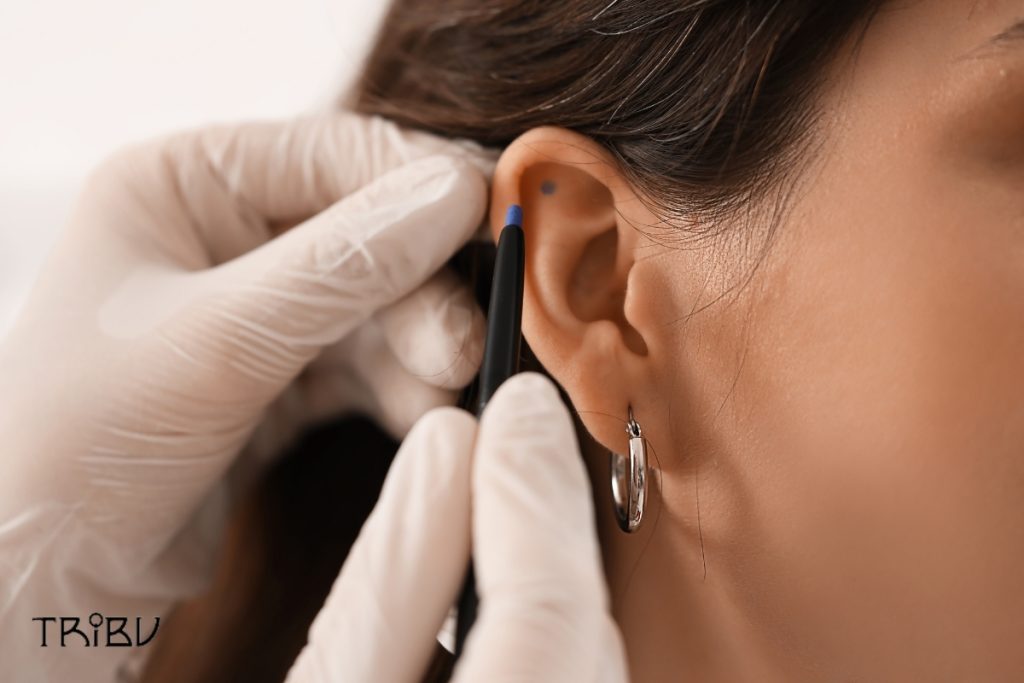
- Marking: Using a sterile marker to precisely indicate the entry and exit points of the piercing. This step is collaborative; you will be asked to approve the marking before proceeding.
This detailed pre-procedure process is a hallmark of the service provided by Tribu Piercings, where patient, honest recommendations guide every decision.
Precision in Execution
Once the placement is marked and approved, the piercer’s skill in execution becomes critical.
- Angle and Direction: Maintaining the correct angle and direction ensures the piercing channel is straight and appropriately aligned with your anatomy.
- Speed and Control: A swift, controlled motion minimizes tissue trauma and discomfort.
- Sterile Technique: Adherence to strict sterile procedures is non-negotiable, protecting you from infection. Tribu Piercings opens tools in front of clients and explains sterile procedures to maintain transparency.
Selecting the Appropriate Jewelry
The choice of jewelry is not merely aesthetic; it is integral to the success of correct piercing anatomy placement. The initial jewelry must be suitable for the healing process, while subsequent jewelry should continue to respect the integrity of the piercing.
Initial Jewelry Selection
For initial piercings, specific types of jewelry are recommended:
- Material: Biocompatible materials such as implant-grade stainless steel, titanium, niobium, or 14k/18k gold are preferred to minimize allergic reactions and promote healing.
- Size and Gauge: The jewelry’s length or diameter and its gauge (thickness) must be appropriate for the specific piercing and your anatomy.
- Length/Diameter: Initial jewelry is typically slightly longer or larger to accommodate swelling during the initial healing phase.
- Gauge: The gauge should match the size of the needle used, creating a snug fit that prevents excessive movement but does not constrict the tissue.
Long-Term Jewelry Considerations
After the initial healing period, you may choose to change your jewelry.
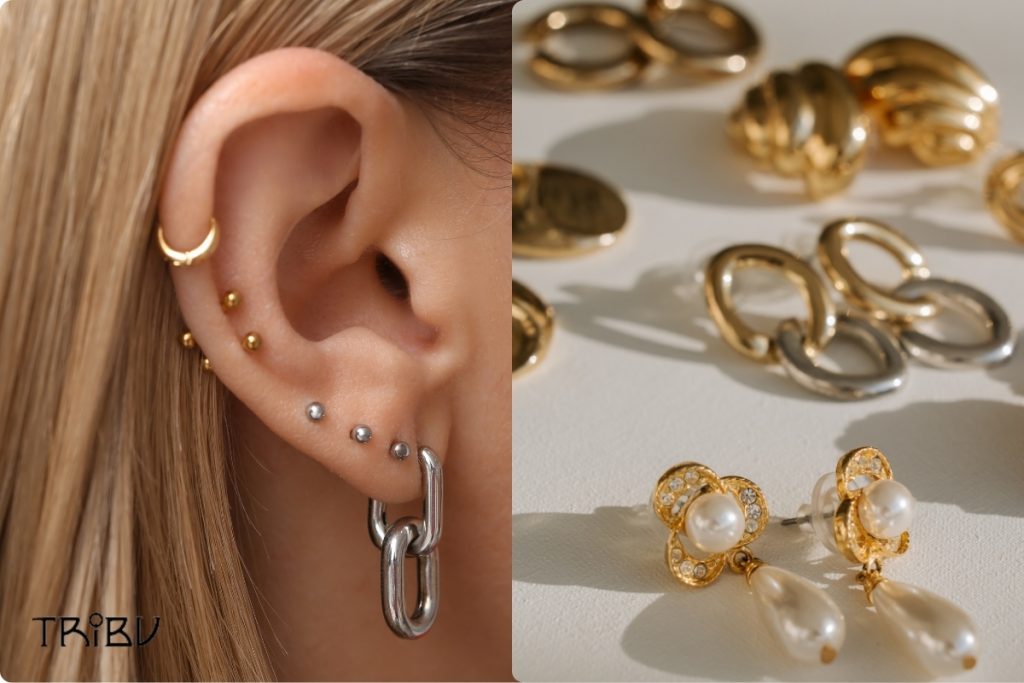
- Weight: Heavy jewelry can cause migration or stretching over time, particularly in earlobes or certain body piercings.
- Design: Jewelry with sharp edges, intricate designs that can snag, or poor finishes can irritate the piercing channel.
- Fit: Jewelry should fit comfortably without being too tight or too loose, which can both cause issues.
For a diverse selection of jewelry that respects both meaning and safety, consider Tribu Piercings. We offer a wide jewelry selection that caters to various styles and anatomical needs. You can explore more about our cultural approach to piercings on our main site, Tribu Piercings.
Aftercare and Healing for Anatomically Placed Piercings
Even with perfect piercing anatomy placement and ideal jewelry, diligent aftercare is indispensable for successful healing. Your body’s ability to heal is directly influenced by how you care for your new piercing.
Initial Healing Period
During the initial healing phase, which varies by piercing type, consistent care is essential.
- Cleaning: Follow your piercer’s specific instructions for cleaning, typically involving a saline solution. Avoid harsh chemicals or over-cleaning, which can irritate the piercing.
- Avoid Touching: Refrain from touching, twisting, or playing with your piercing, as this can introduce bacteria and disrupt the healing tissue.
- Protect from Trauma: Be mindful of clothing, hair, or other objects that might snag or put pressure on the piercing.
- Maintain Hygiene: General body hygiene contributes to a healthy healing environment.
Tribu Piercings provides strong aftercare support, guiding you through this critical period.
Long-Term Care
Once a piercing is fully healed, continued care helps maintain its integrity.
- Regular Cleaning: Even healed piercings benefit from occasional cleaning to remove buildup.
- Jewelry Maintenance: Inspect your jewelry regularly for wear and tear, and ensure it remains secure.
- Monitor for Changes: Pay attention to any changes in your piercing, such as redness, swelling, or discharge, which could indicate an issue.
Should you have any concerns about your piercing, we encourage you to contact us directly. Our in-house trained piercers are always ready to assist.
Frequently Asked Questions
What defines a well-placed piercing?
A well-placed piercing is one that respects your unique anatomy, minimizes stress on the tissue, promotes optimal healing, and contributes to your desired aesthetic. This involves considering factors like tissue density, cartilage structure, and the natural contours of your body.
How does Tribu Piercings account for unique anatomy?
At Tribu Piercings, our piercers conduct a thorough visual and tactile assessment of the intended piercing area. They will discuss your specific anatomical features with you, explain how these might influence placement, and precisely mark the ideal location before proceeding. This personalized approach ensures the best possible outcome.
Is correct piercing depth important for all piercings?
Yes, correct piercing depth is critical for virtually all piercings. For surface piercings, it prevents migration. For cartilage piercings, it minimizes trauma and supports healing. For all piercings, the appropriate depth ensures the jewelry sits correctly and reduces the risk of complications.
Can I change my jewelry if my piercing anatomy placement is correct?
Once your piercing is fully healed and your piercer confirms it, you can typically change your jewelry. However, it is always advisable to consult with a professional piercer for guidance on appropriate jewelry styles, materials, and sizes to ensure continued comfort and health of your piercing. You can visit one of our store locations for assistance.
Conclusion
The success of any piercing hinges significantly on diligent piercing anatomy placement. This fundamental principle, coupled with correct piercing depth, appropriate jewelry selection, and dedicated aftercare, forms the cornerstone of a healthy and aesthetically pleasing piercing experience. Tribu Piercings is committed to providing a professional, educational, and safe environment, ensuring that every piercing is a meaningful and well-executed expression of your personal story. Our focus on transparent procedures and individualized guidance underscores our dedication to your well-being and satisfaction.
Ready to discuss your next piercing with experienced professionals who prioritize your anatomy and safety? Visit Tribu Piercings today.