


Key Takeaways
- Piercing retainer jewelry provides a temporary, discreet solution for maintaining open piercing channels.
- They are essential when traditional jewelry cannot be worn due to professional guidelines, medical procedures, or physical activities.
- Proper material selection and sizing are crucial for comfort, safety, and preventing piercing closure.
- Tribu Piercings offers guidance and a selection of appropriate retainers for your needs.
When you have a piercing, it becomes a part of your personal expression, a reflection of your identity and story. However, there are times when you may need to temporarily remove your decorative jewelry, yet still wish to keep the piercing channel open. This is precisely where piercing retainer jewelry becomes an indispensable item in your collection. Understanding what these retainers are and when their use is appropriate can help you manage your piercings effectively and safely.
What Exactly is Piercing Retainer Jewelry?
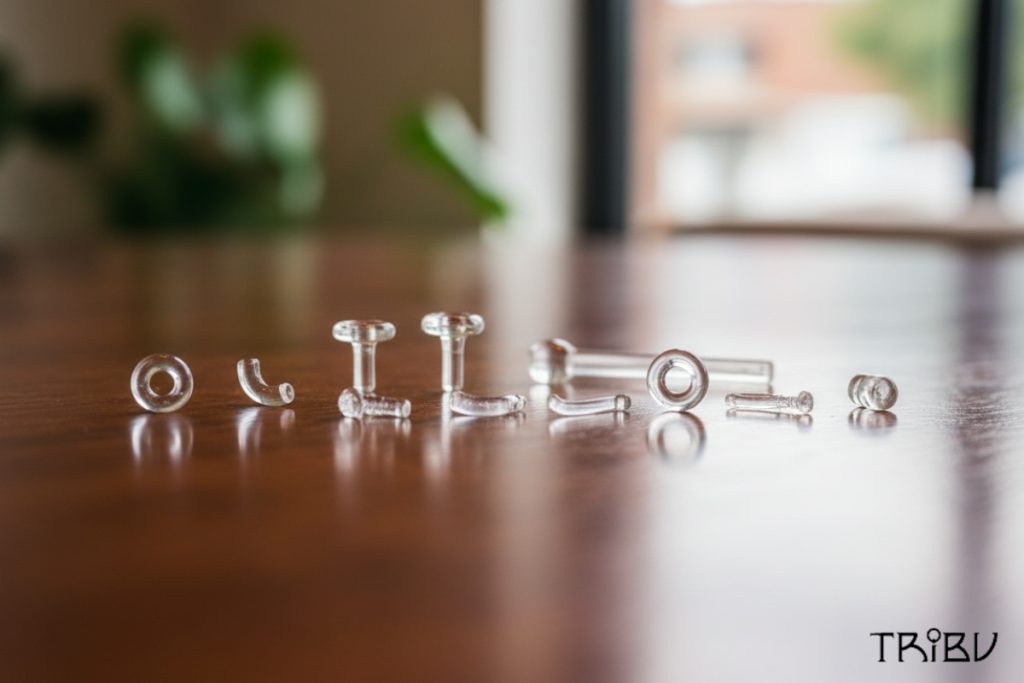
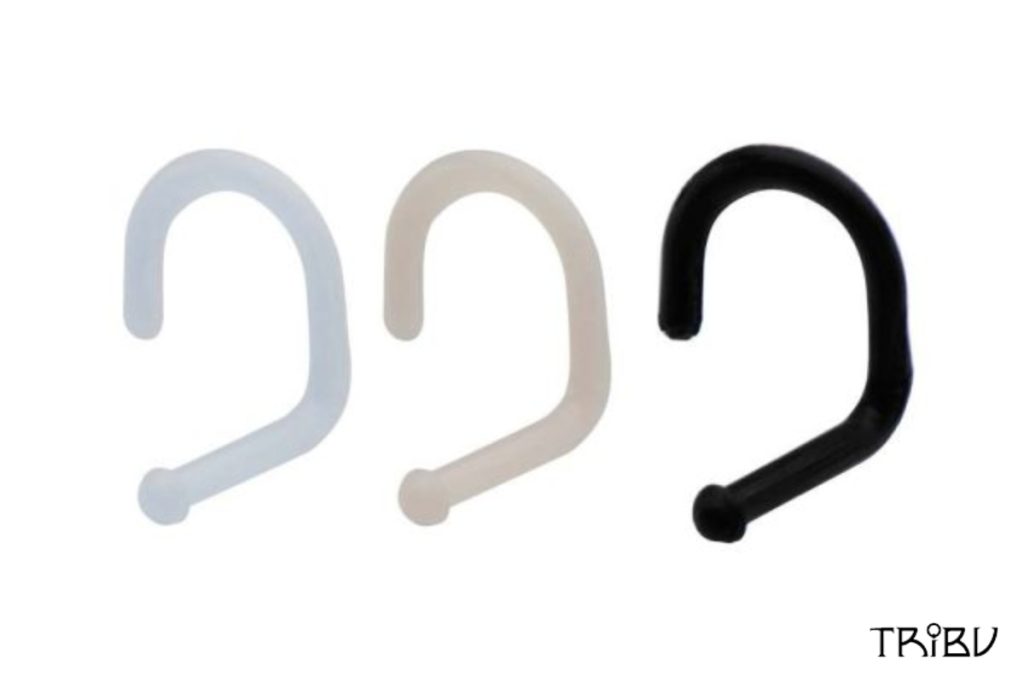
Piercing retainers are subtle, often transparent or flesh-toned pieces of jewelry designed to be worn in a piercing when you cannot wear your regular, decorative jewelry. Their primary purpose is to maintain the integrity of the piercing channel, preventing it from closing, without drawing significant attention to the piercing itself. They are not meant for aesthetic display but for functional preservation.
Materials Used in Piercing Retainers
The material of your retainer is a critical consideration for both comfort and safety. Common materials include:
- Bioplast/PTFE (Polytetrafluoroethylene): These are flexible, biocompatible plastics that are generally safe for long-term wear, even in healing piercings. They are lightweight and adapt to the body, minimizing irritation.
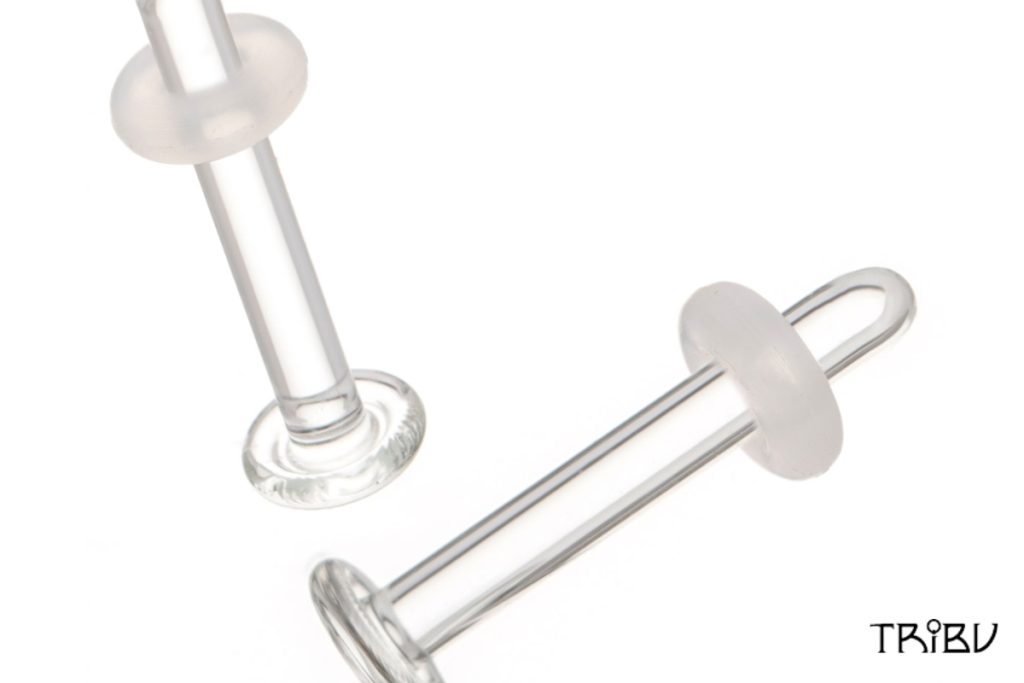
- Glass: Medical-grade glass retainers are inert and non-porous, making them an excellent choice for individuals with metal sensitivities. They are also autoclavable, which is important for sterility.
- Silicone: Soft and flexible, silicone can be comfortable for certain piercing placements, though it is generally recommended for fully healed piercings.
Selecting the correct material is important to prevent adverse reactions and ensure the health of your piercing.
When is Piercing Retainer Jewelry Necessary?
The necessity of a piercing retainer arises in various situations where traditional metal or decorative jewelry is either impractical or prohibited. Recognizing these scenarios can help you prepare and protect your piercing.
Professional Requirements and Piercings
Many professional environments, particularly those with strict dress codes or safety regulations, may require employees to remove visible piercings. This is a common situation for individuals in:
- Healthcare professions
- Food service industries
- Corporate settings with conservative policies
- Roles requiring protective equipment
In these cases, a discreet retainer allows you to comply with regulations without sacrificing your piercing.
Medical Procedures and Piercings
Before certain medical procedures, such as surgeries, MRI scans, or X-rays, you will typically be asked to remove all metal jewelry. This is due to:
- Electrical Conductivity: Metal jewelry can interfere with electrical currents used in some medical equipment.
- Heating: Metal can heat up during MRI scans, potentially causing burns.
- Artifacts: Metal can create shadows or distortions on imaging results.
Biocompatible retainers, particularly those made of glass or plastic like Bioplast, are often acceptable alternatives that can remain in place during these procedures. Always consult with your medical professional regarding their specific requirements.
Sports and Physical Activities
Participating in sports or vigorous physical activities can pose risks to your piercings. Decorative jewelry might:
- Catch on clothing or equipment, leading to tears or injury.
- Become a hazard to you or other participants.
- Cause discomfort or interfere with movement.
Wearing a retainer during these times can prevent potential accidents and allow you to continue your activities safely.
Healing and New Piercings
While retainers are primarily for established piercings, in specific situations, a professional piercer might recommend a Bioplast or glass retainer during the healing phase. This is rare and typically only occurs if there is a compelling reason to avoid metal, such as a severe metal allergy or a specific medical instruction. It is important to always follow the guidance of a qualified piercer from Tribu Piercings regarding new piercings.
Selecting the Correct Piercing Retainer
Choosing the right piercing retainer involves more than just picking a transparent piece. Proper selection ensures comfort, security, and the health of your piercing.
Sizing Considerations for Retainers
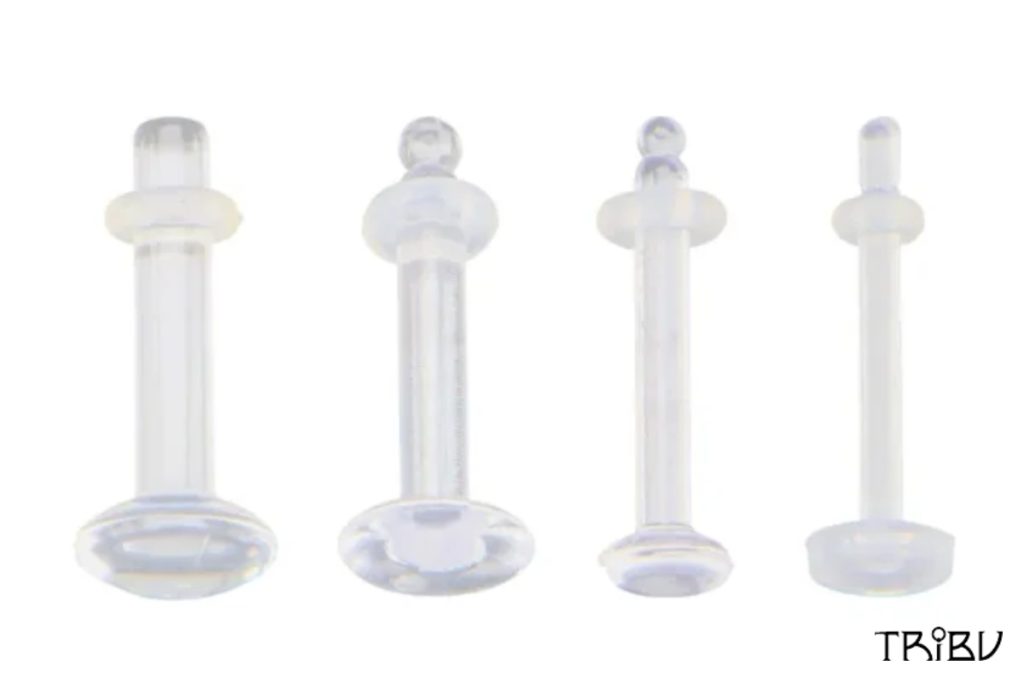
Just like with regular jewelry, the size of your retainer, including gauge (thickness) and length or diameter, must match your piercing precisely.
- Gauge: The retainer must have the same gauge as your current jewelry to prevent the piercing from shrinking or stretching.
- Length/Diameter: The length for straight barbells or labrets, or the diameter for rings, needs to be appropriate for your anatomy and the specific piercing location. An ill-fitting retainer can cause irritation, migration, or even rejection.
If you are unsure about the correct size, it is always best to consult with a professional piercer at one of our store locations.
Insertion and Removal Guidelines
Inserting and removing retainers requires care to avoid damaging your piercing.
- Cleanliness: Always wash your hands thoroughly with antibacterial soap before touching your piercing or retainer.
- Lubrication: A small amount of water or a piercing-safe lubricant can aid in smoother insertion.
- Gentle Handling: Never force a retainer into a piercing. If you encounter resistance, re-evaluate the angle or size.
- Professional Assistance: If you struggle to insert or remove a retainer, particularly with difficult-to-reach piercings, seek assistance from a professional piercer.
Maintaining Your Piercing Retainer
Proper care for your piercing retainer is essential to prevent infection and maintain its longevity.
- Regular Cleaning: Clean your retainer regularly with a saline solution or a gentle, non-scented soap, especially if you wear it for extended periods.
- Inspection: Periodically inspect your retainer for any signs of wear, cracks, or damage, particularly if it is made of plastic. Damaged retainers should be replaced immediately.
- Storage: When not in use, store your retainers in a clean, dry place, ideally in a sterile pouch or container to protect them from contaminants.
- Replacement: Retainers, especially those made of plastic, may need to be replaced periodically as they can degrade over time.
For more detailed information on aftercare and jewelry, you can refer to our piercing retainer jewelry guide on our website.
Frequently Asked Questions
Can I use a retainer in a new piercing?
Generally, it is not recommended to use a retainer in a fresh, unhealed piercing. The healing process requires specific jewelry that promotes air circulation and minimizes movement. Bioplast or glass retainers might be considered in very specific circumstances under the direct guidance of a professional piercer, but metal jewelry is typically preferred for initial healing.
How long can I wear a piercing retainer?
The duration for wearing a piercing retainer depends on the material and the reason for its use. Bioplast and glass retainers are generally safe for extended wear, even for several weeks or months if necessary. However, it is always advisable to return to your regular, high-quality decorative jewelry when possible, as retainers are primarily functional rather than decorative.
Are piercing retainers visible?
The primary design of piercing retainers is to be as discreet as possible. Many are clear or flesh-toned to blend with your skin. While they may not be entirely invisible, they are significantly less noticeable than decorative metal jewelry, making them ideal for situations requiring subtlety.
Where can I purchase quality piercing retainer jewelry?
You can find high-quality piercing retainer jewelry at reputable piercing studios like Tribu Piercings. We offer a selection of safe, biocompatible materials and can assist you with proper sizing and insertion. It is important to purchase retainers from trusted sources to ensure they meet safety and sterility standards.
Conclusion
Piercing retainer jewelry serves a crucial function for individuals who wish to maintain their piercings through various life situations, from professional obligations to medical necessities. By understanding their purpose, the materials they are made from, and how to properly select and care for them, you can ensure the longevity and health of your piercings. Tribu Piercings is committed to providing you with the knowledge and products to support your piercing journey. If you have further questions or require assistance, please do not hesitate to contact us.