


Key Takeaways
- Consult a Professional: Always talk to an experienced piercer before deciding to get a piercing near or through scar tissue. They can assess your specific situation.
- Scar Type Matters: Different types of scars (keloid, hypertrophic, atrophic) react differently to piercings. Understanding your scar type is important.
- Healing May Vary: Piercings through scar tissue can sometimes take longer to heal or present unique challenges compared to piercing healthy skin.
- Aftercare is Key: Strict adherence to Body Piercing Aftercare instructions is even more important when piercing over scar tissue to prevent complications.
- Informed Choices: Being aware of potential risks and benefits helps you make the best decision for your body and your piercing goals.
Getting a new piercing is an exciting way to express yourself and celebrate your personal story. Sometimes, you might wish to place a piercing near or even through existing scar tissue. The idea of a piercing over scar tissue brings up many questions about safety, healing, and the final look. At Tribu Piercing, we believe in providing clear, honest information so you can make choices that are right for you. This guide will help you understand what happens when you consider a piercing in an area with scars.
Understanding Scar Tissue and Piercings
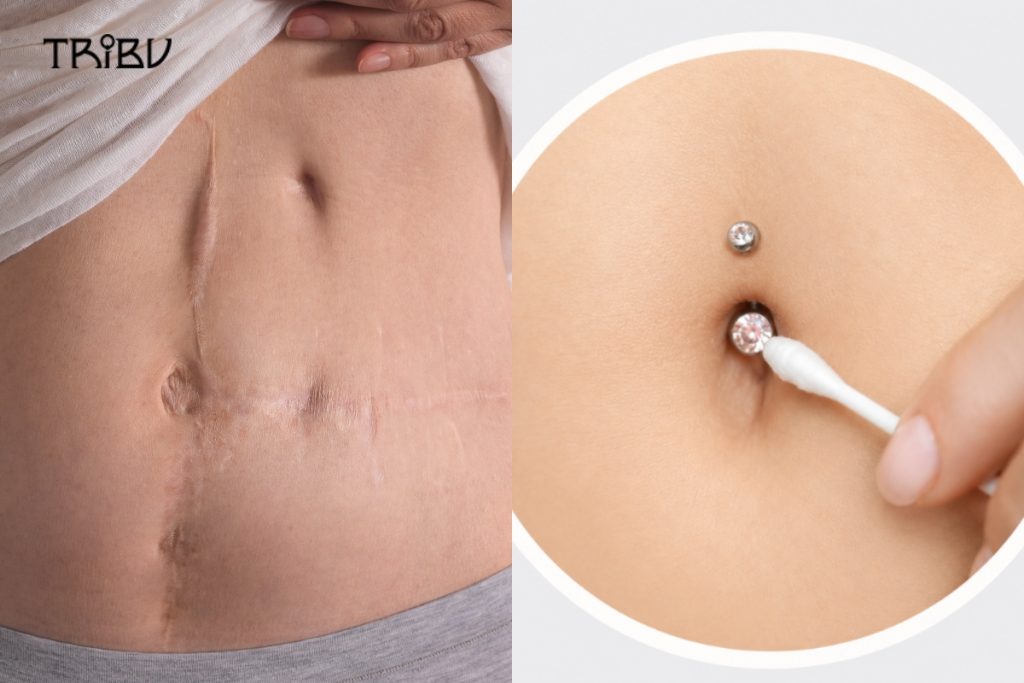
Scar tissue forms when your body repairs damaged skin. It is different from normal skin in several ways. Scars can be thicker, thinner, or have a different texture and color. The blood supply to scar tissue can also be different, which is an important factor when considering a piercing. When you pierce through scar tissue, you are asking your body to heal in an area that has already undergone a healing process. This can change how the new piercing heals and how it looks.
Types of Scars and Their Impact on Piercing
Not all scars are the same. The type of scar you have can greatly influence whether a piercing is a good idea and what the healing process might be like.
Keloid Scars
Keloid scars are raised, often reddish or darker than your skin, and can grow larger than the original wound. They are a type of severe scarring that can be triggered by skin trauma, including piercings. If you are prone to keloids, piercing through existing keloid tissue, or even near it, can be risky. It might cause the keloid to grow larger or lead to a new keloid forming around the piercing site.
Hypertrophic Scars
Hypertrophic scars are also raised and reddish, but unlike keloids, they stay within the boundaries of the original injury. They can be firm and itchy. While they are less likely to grow out of control than keloids, piercing through hypertrophic scar tissue can still lead to further scarring or make healing more difficult.
Atrophic Scars
Atrophic scars are sunken or pitted, often appearing as depressions in the skin. Examples include acne scars or chickenpox scars. These scars represent a loss of tissue. Piercing through atrophic scar tissue can sometimes be done, but the texture and thickness of the skin might affect how the jewelry sits and how the piercing heals.
The Piercing Process Over Scar Tissue
If you are thinking about a piercing over scar tissue, it is important to understand the steps involved and what to expect.
Before Your Piercing
Your journey should always begin with a consultation at Tribu Piercings. Our piercers are trained to assess the specific characteristics of your scar tissue. We will:
- Examine the Scar: We will look at the scar’s type, size, age, and location.
- Discuss Your History: We will ask about how the scar formed and if you have any history of piercing complications or issues with scarring.
- Explain the Risks: We will openly discuss the potential challenges and outcomes.
- Recommend Placement: Based on our assessment, we will advise on the best possible placement or if it is advisable to avoid the area entirely.
During Your Piercing
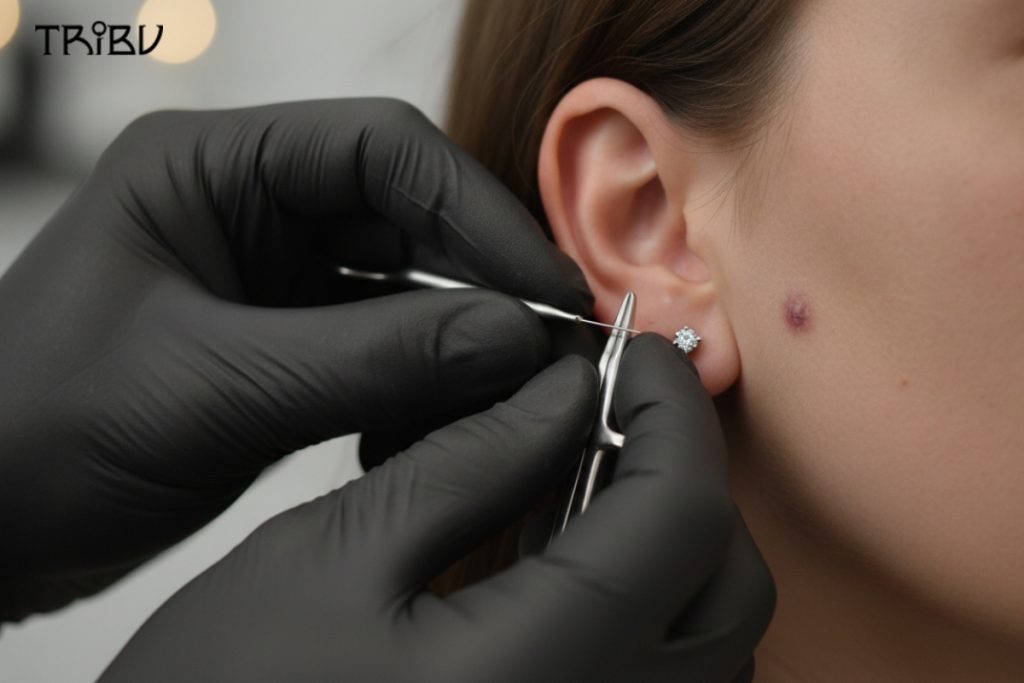
When you decide to proceed, our piercers will follow strict hygiene and safety protocols. We use sterile tools opened in front of you, ensuring a clean and safe environment. The process itself for a piercing over scar tissue is similar to any other piercing, but the piercer will take extra care.
After Your Piercing
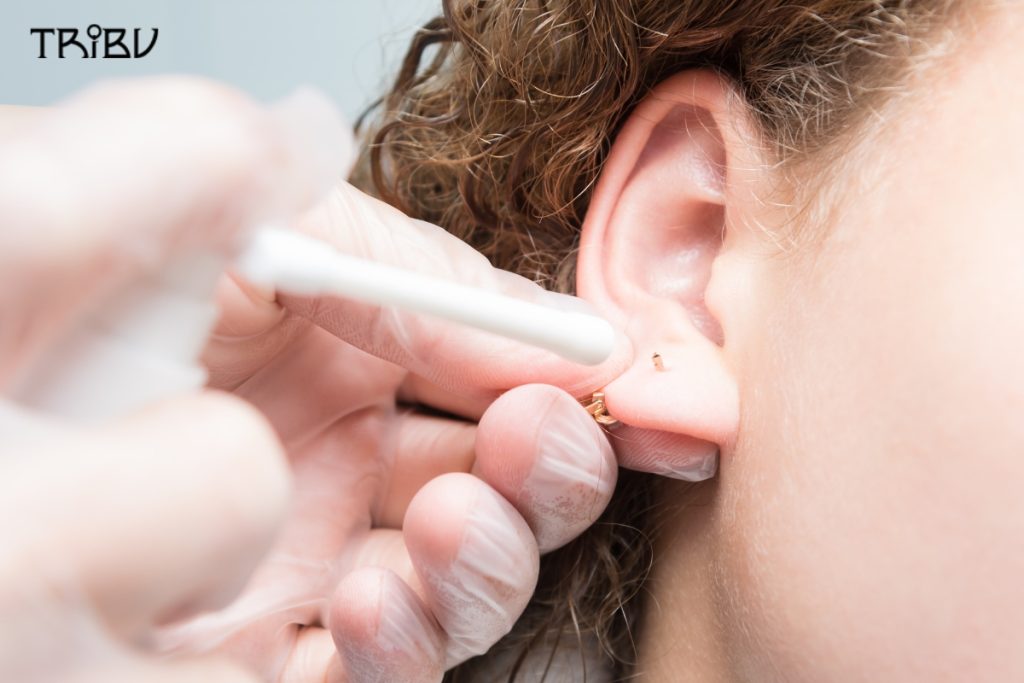
Aftercare is always important, but it becomes even more critical when you have a piercing over scar tissue. You will receive detailed instructions on how to care for your new piercing. This includes:
- Cleaning: Regular, gentle cleaning as instructed.
- Avoiding Trauma: Protecting the piercing from bumps or snags.
- Observation: Watching for any signs of infection or unusual healing.
Following these guidelines for Body Piercing Aftercare will help prevent potential piercing complications.
Potential Piercing Complications with Scar Tissue
While many piercings over scar tissue heal without major issues, it is important to be aware of possible challenges:
- Delayed Healing: Scar tissue may have a reduced blood supply, which can slow down the healing process.
- Increased Risk of Infection: Any piercing carries a risk of infection, but scar tissue might be more vulnerable.
- Scarring Issues: There is a chance of new hypertrophic or keloid scarring, especially if you have a history of them.
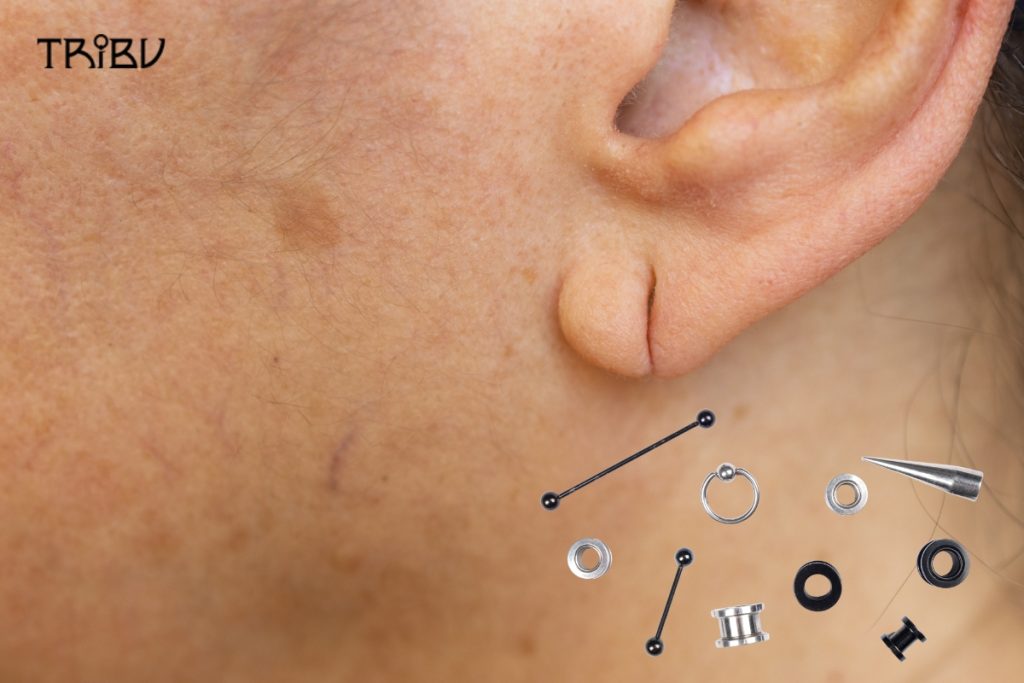
- Jewelry Migration or Rejection: The body might push out the jewelry if it cannot properly heal around it.
- Discomfort: The area might be more sensitive or uncomfortable during and after the piercing.
Making an Informed Decision
Deciding to get a piercing over scar tissue requires careful thought. We encourage you to ask many questions and feel fully informed before making a choice. Our goal at Tribu Piercing is to provide a welcoming and professional environment where your safety and satisfaction come first. We are here to guide you through every step, from initial consultation to complete healing. If you have questions or want to learn more, please contact us. You can also visit one of our store locations to speak with a piercer directly. We look forward to helping you express yourself through meaningful piercings.
Frequently Asked Questions
Can all types of scars be pierced?
No, not all types of scars are suitable for piercing. Keloid scars, in particular, are generally not recommended for piercing due to the high risk of stimulating further keloid growth. Hypertrophic scars and very thin or unstable atrophic scars might also present challenges. It is always best to have an experienced piercer examine your specific scar to determine if piercing is a safe option.
Is it more painful to get a piercing over scar tissue?
The level of pain can vary from person to person and depends on the specific scar tissue. Some people report increased sensitivity, while others find it similar to piercing healthy skin. Scar tissue can sometimes be tougher or have altered nerve endings, which might affect the sensation.
How long does it take for a piercing over scar tissue to heal?
Healing times can be longer for piercings over scar tissue compared to piercings in healthy skin. This is because scar tissue can have a different blood supply and cellular structure. While a typical earlobe piercing might heal in 6-8 weeks, a piercing through scar tissue could take several months or even longer. Patience and diligent aftercare are essential.
What should I do if my piercing over scar tissue is not healing well?
If your piercing over scar tissue shows signs of slow healing, irritation, infection, or excessive scarring, it is important to act quickly. Do not remove the jewelry yourself unless advised by a professional. Contact Tribu Piercings or a healthcare provider for advice. We can assess the situation and recommend the best course of action to help your piercing heal.