


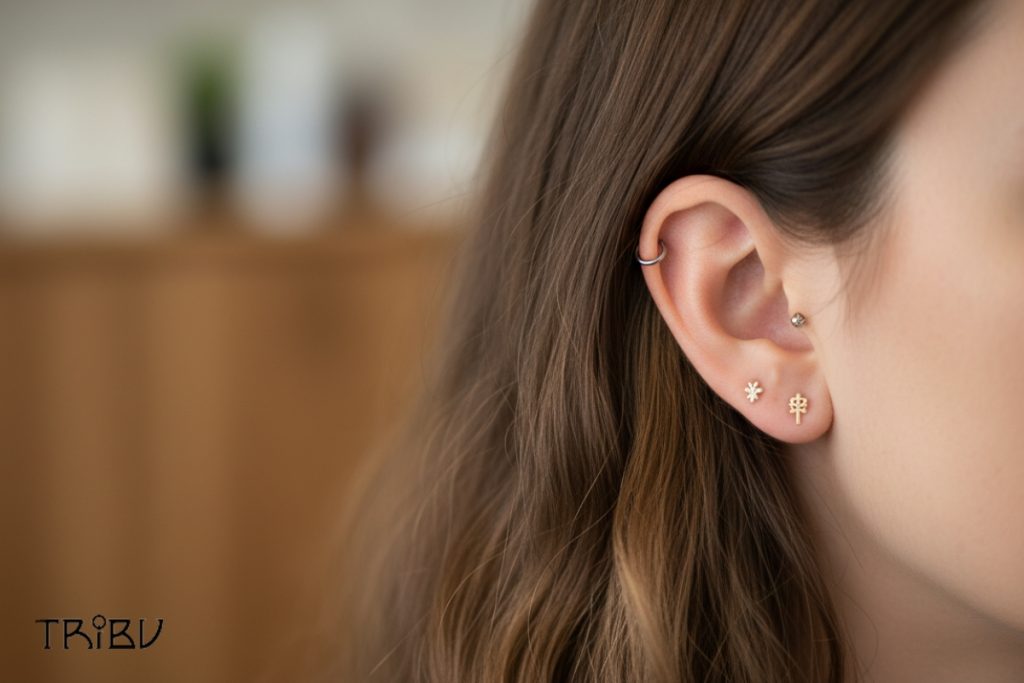
Embarking on the journey of body adornment through piercing can be a significant personal expression. For individuals considering their initial foray into this practice, selecting the best piercings for beginners involves understanding various factors, including comfort during the procedure, manageable healing times, and straightforward aftercare protocols. Tribu Piercings offers guidance to those new to the experience, ensuring a positive and informed decision-making process.
Key Takeaways
- Factors like healing time, pain level, and aftercare complexity influence the best choices for first-time piercings.
- Earlobes, helix, nostril, and navel piercings are frequently recommended for beginners due to their relative ease of healing and lower discomfort levels.
- Proper preparation, a professional piercing environment, and diligent aftercare are crucial for successful healing.
- Tribu Piercings prioritizes transparent, safe, and educational service for all clients, especially those new to piercings.
- Understanding common FAQs regarding healing, jewelry, and potential concerns helps demystify the piercing process.
Understanding Piercing Suitability for First-Timers
When considering your first piercing, it is natural to have questions about what to expect. The suitability of a piercing for a beginner often correlates with its general characteristics related to the initial experience and subsequent care. Certain piercings are inherently more forgiving, making them ideal entry points into the piercing community.
Factors Influencing Your First Piercing Choice
Several elements contribute to identifying piercings that are well-suited for individuals new to the practice. These factors are primarily concerned with minimizing discomfort and complications.
- Pain Tolerance: While pain is subjective, some piercing locations are generally associated with less discomfort during the procedure compared to others. For a first-timer, choosing a location known for lower pain levels can make the initial experience more approachable.
- Healing Time: The duration required for a piercing to fully heal varies significantly depending on its location and individual physiological responses. Beginners often benefit from piercings with shorter, more predictable healing periods, as this reduces the commitment to long-term aftercare.
- Aftercare Complexity: The ease or difficulty of maintaining cleanliness and promoting healing plays a significant role. Piercings that are less prone to snagging, irritation, or require minimal specialized attention are often preferable for those unfamiliar with piercing aftercare routines.
- Anatomical Considerations: Individual anatomy can influence the viability and healing of certain piercings. A professional piercer at Tribu Piercings will assess your unique anatomy to provide personalized recommendations, ensuring the chosen piercing is appropriate for your body.
- Lifestyle Impact: Your daily activities, work environment, and hobbies can affect the healing process. Selecting a piercing that does not interfere significantly with your routine can contribute to a smoother recovery.
Recommended Piercings for Beginners
Based on the factors outlined, several piercings consistently emerge as excellent options for individuals seeking their first experience. These selections offer a balanced combination of manageability and aesthetic appeal.
Ear Lobe Piercings
Ear lobe piercings are widely regarded as the quintessential entry-level piercing. Their popularity stems from several advantages:
- Low Pain: The earlobe consists of soft tissue, making the piercing process relatively quick and less painful than cartilage piercings.
- Rapid Healing: Lobe piercings typically heal within 6-8 weeks, which is among the fastest healing times for any piercing.
- Simple Aftercare: Due to their location and tissue type, lobe piercings are generally easy to clean and less susceptible to irritation.
- Versatility: Once healed, lobe piercings offer extensive jewelry options, allowing for diverse personal expression.
Helix Piercings
For those interested in cartilage piercings, the helix is often suggested as a suitable starting point. It is located on the upper outer rim of the ear.
- Moderate Pain: While slightly more uncomfortable than a lobe piercing, a helix piercing is generally well-tolerated.
- Manageable Healing: Healing time ranges from 3-9 months, requiring consistent aftercare but typically without significant complications.
- Aesthetic Appeal: Helix piercings provide a subtle yet distinctive aesthetic, appealing to many first-time cartilage piercers.
Nostril Piercings
Nostril piercings offer a facial adornment option that is often considered for beginners. They involve piercing the cartilage on the side of the nostril.
- Moderate Pain: The initial pinch is brief, and the overall pain level is often described as moderate.
- Average Healing: Nostril piercings typically heal within 2-4 months, provided proper aftercare is observed.
- Visibility: This piercing is a prominent form of self-expression, offering immediate visual impact.
Navel Piercings
Also known as belly button piercings, navel piercings are a popular choice, particularly for those who prefer body piercings over facial or ear options.
- Moderate Pain: The procedure is generally quick, with pain described as a sharp pinch followed by a dull ache.
- Extended Healing: Navel piercings require a longer healing period, usually 6-12 months, due to their location and movement.
- Aftercare Diligence: Consistent cleaning and protection from clothing snags are important for successful healing.
Preparing for Your First Piercing
Proper preparation is fundamental to a positive piercing experience and successful healing. Tribu Piercings emphasizes education and transparency throughout this process.
Pre-Piercing Considerations
Before your appointment, several steps can help ensure you are ready:
- Research and Selection: Understand the various piercing types and their implications. Consider the best piercings for beginners that align with your lifestyle and aesthetic preferences.
- Choose a Reputable Studio: Select a professional studio known for its sterile practices and experienced piercers. Tribu Piercings adheres to the highest standards of cleanliness and safety.
- Hydration and Nutrition: Ensure you are well-hydrated and have eaten a balanced meal before your appointment. This helps prevent lightheadedness during the procedure.
- Avoid Alcohol and Caffeine: Refrain from consuming alcohol or excessive caffeine prior to your piercing, as these can thin the blood and increase sensitivity.
- Comfortable Attire: Wear loose, comfortable clothing that will not irritate the piercing site.
The Piercing Procedure at Tribu Piercings
At Tribu Piercings, we prioritize a guided and comfortable experience for every client, especially those new to piercings. Our approach is designed to be patient, honest, and empowering.
- Consultation: You will have a detailed consultation with a trained piercer to discuss your chosen piercing, confirm its suitability for your anatomy, and review any questions you may have. We never rush your experience, providing ample time for discussion.
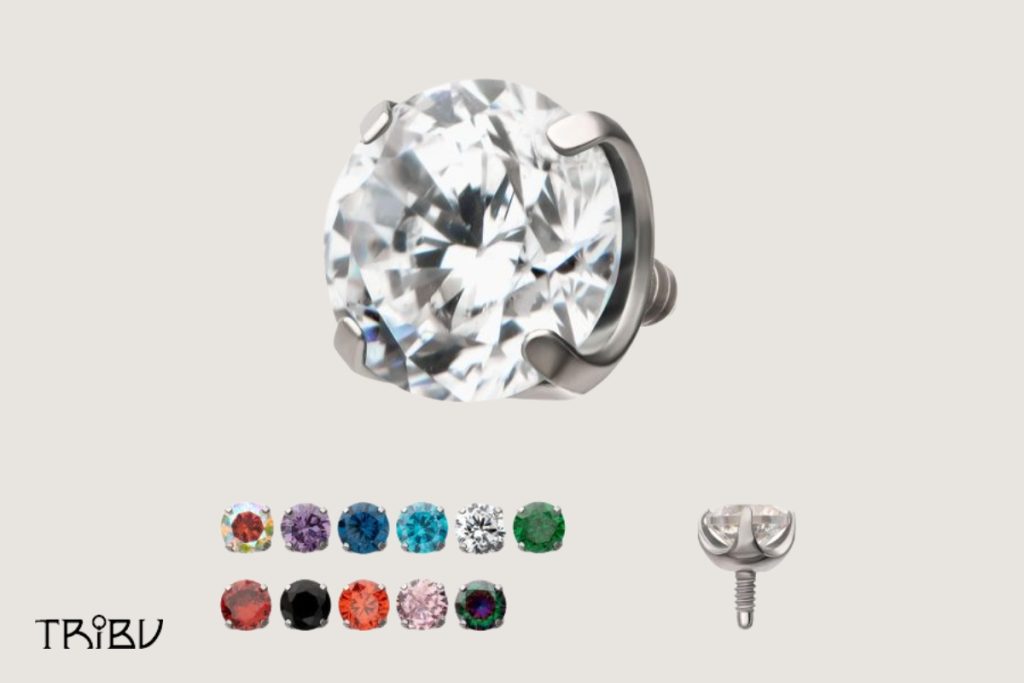
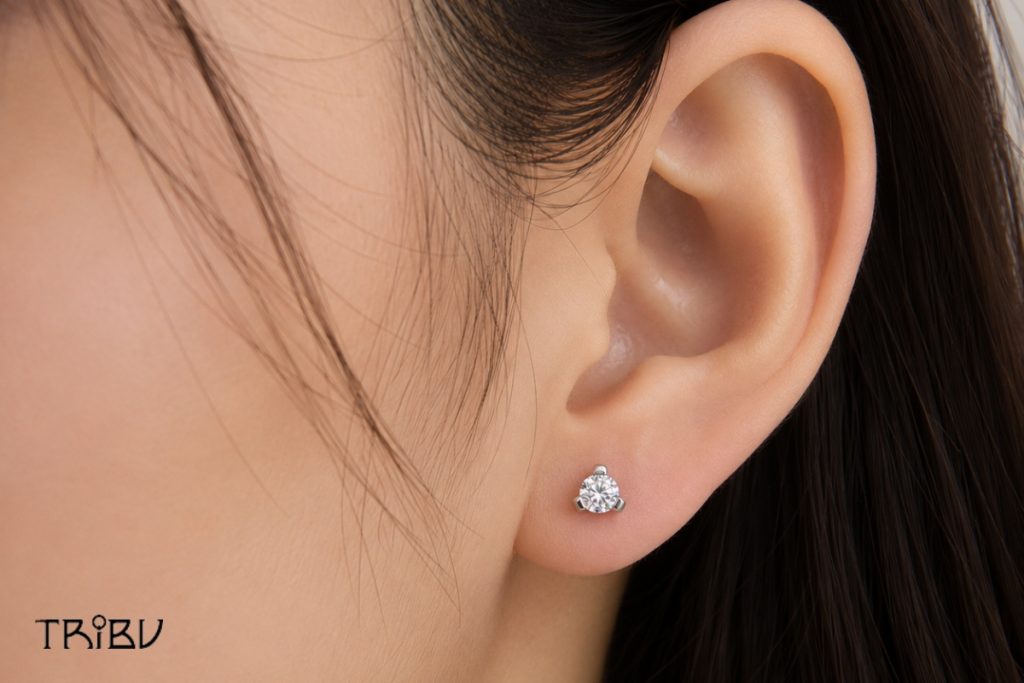
- Jewelry Selection: Our piercers will help you select appropriate initial jewelry from our wide selection. This jewelry is typically made from implant-grade materials suitable for new piercings.
- Sterilization Protocol: We maintain strict legal compliance and cleanliness standards. All tools are opened in front of clients, and sterile procedures are explained clearly, ensuring transparency.
- Marking and Confirmation: The piercer will mark the exact placement of the piercing, allowing you to confirm the location before the procedure begins.
- The Piercing: The piercing is performed efficiently and precisely by our in-house trained piercers. We use techniques designed to minimize discomfort.
- Aftercare Instructions: Following the piercing, you will receive comprehensive aftercare instructions, tailored to your specific piercing. We provide strong aftercare support to facilitate optimal healing.
For more information or to schedule a consultation, please contact us.
Aftercare and Healing for New Piercings
Diligent aftercare is paramount for the successful healing of any new piercing. Following your piercer’s instructions precisely will minimize the risk of complications and promote a healthy recovery.
Essential Aftercare Practices
Effective aftercare involves consistent cleaning and protective measures:
- Cleaning: Gently clean your piercing two to three times daily using a sterile saline solution. Apply the solution with a clean gauze pad or cotton swab, carefully removing any crusting.
- Hands Off: Avoid touching your piercing with unwashed hands. This is a primary source of bacterial introduction.
- Avoid Irritants: Refrain from using harsh soaps, alcohol, hydrogen peroxide, or ointments on your piercing, as these can irritate the delicate healing tissue.
- Protect from Trauma: Be mindful of clothing, hair, and other objects that could snag or put pressure on your new piercing. For ear piercings, be cautious with headphones and sleeping positions.
- Maintain Hygiene: Shower regularly, but avoid prolonged soaking in baths, hot tubs, or swimming pools during the initial healing phase.
- Healthy Lifestyle: Support your body’s natural healing process by maintaining a healthy diet, staying hydrated, and getting adequate rest.
Recognizing Healing Milestones and Potential Concerns
Understanding the normal healing process and identifying signs of potential issues is important:
- Initial Swelling and Redness: It is normal to experience some swelling, redness, and tenderness around the piercing site in the first few days.
- Discharge: A clear or whitish discharge that forms a crust around the jewelry is a normal part of the healing process. This is lymph fluid, not pus.
- Itching: Mild itching can occur as the piercing heals.
- Pain: Consistent or increasing pain, excessive redness, significant swelling, or a yellowish-green discharge with a foul odor could indicate an infection.
- Bumps: Occasionally, irritation bumps can form. These are often due to trauma, improper aftercare, or unsuitable jewelry. Consult your piercer if you notice any unusual bumps.
Should you have any concerns about your healing piercing, it is always advisable to consult with your piercer at Tribu Piercings or a medical professional. Our team is dedicated to providing ongoing support and guidance.
Frequently Asked Questions
Understanding the practical aspects of living with a new piercing is essential for first-time clients. Here are some frequently asked questions related to Lifestyle & FAQs.
How long does it take for a new piercing to heal?
Healing times vary considerably depending on the piercing location and individual factors. Lobe piercings typically heal within 6-8 weeks, while cartilage piercings like the helix can take 3-9 months. Navel piercings may require 6-12 months. Your piercer will provide specific healing estimates for your chosen piercing.
What kind of jewelry is best for a new piercing?
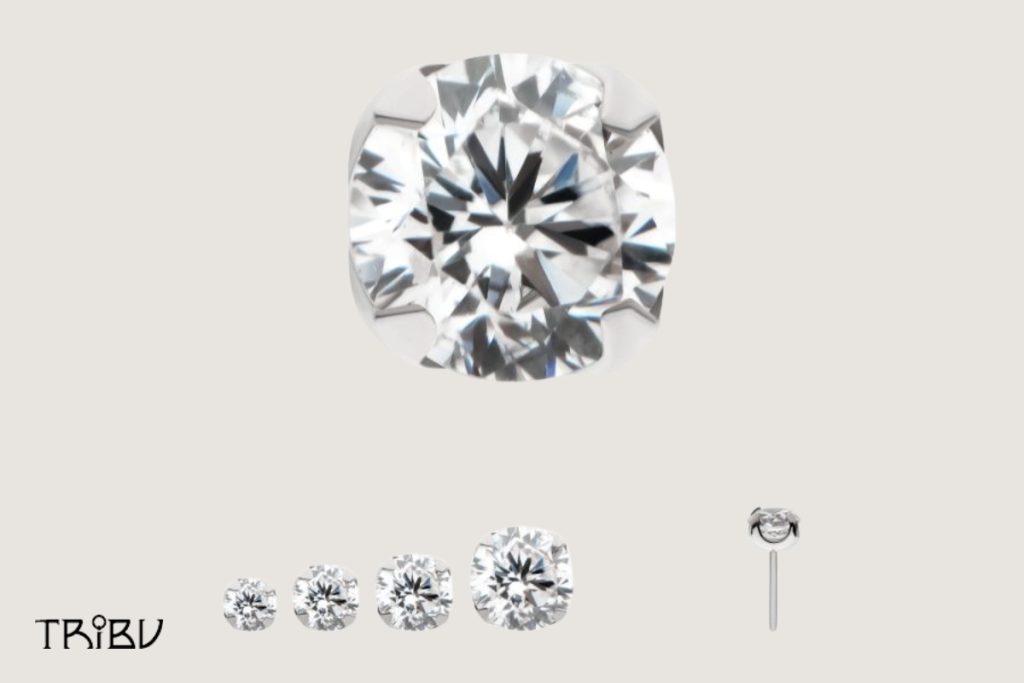
Initial piercings require jewelry made from implant-grade materials such as surgical stainless steel, titanium, niobium, or 14k/18k gold. These materials are biocompatible and reduce the risk of allergic reactions or irritation during the healing phase. At Tribu Piercings, we offer a selection of high-quality, safe jewelry for initial piercings.
Can I change my jewelry during the healing process?
It is strongly advised not to change your initial jewelry until the piercing is fully healed. Removing the jewelry prematurely can cause the piercing channel to close or lead to irritation and infection. If you believe your jewelry needs to be changed for any reason during healing, consult your piercer.
Is there anything I should avoid after getting a new piercing?
You should avoid:
- Touching the piercing with unwashed hands.
- Submerging the piercing in unhygienic water (e.g., public pools, hot tubs, baths).
- Using harsh chemicals, alcohol, or hydrogen peroxide on the piercing.
- Twisting or rotating the jewelry, as this can disrupt the healing tissue.
- Tight clothing or activities that could snag or put pressure on the piercing.
How do I know if my piercing is infected?
Signs of an infected piercing include:
- Persistent and increasing redness, swelling, or pain.
- Warmth around the piercing site.
- Thick, yellowish-green pus with a foul odor.
- Fever or chills.
If you suspect an infection, do not remove the jewelry yourself. Seek advice from your piercer or a medical professional immediately.
For more detailed information on various aspects of piercing care and general inquiries, please visit our Lifestyle & FAQs page.
Considering a new piercing? Tribu Piercings is dedicated to providing a safe, educational, and meaningful experience for every client. Our in-house trained piercers offer expert guidance, ensuring you receive personalized care from consultation through aftercare. With a focus on transparent sterile procedures and a welcoming environment, we are here to assist you in selecting the best piercings for beginners and beyond. Visit one of our store locations to begin your piercing journey with a brand that values community, culture, and personal expression. Every piece of jewelry tells a story, and we are here to help you start yours.
“Discover your next meaningful piercing at Tribu Piercings. Begin your journey with confidence and expert care.”