



Getting a new piercing is an exciting way to express yourself, but sometimes your body reacts in unexpected ways. One common issue many people worry about is piercing rejection. This happens when your body sees the jewelry as a foreign object and tries to push it out. It’s important to understand why this occurs and what you can do to prevent it.
Key Takeaways
- Piercing rejection is when your body pushes out the jewelry.
- Signs include redness, thin skin, and visible jewelry.
- Causes can be location, jewelry, trauma, or poor aftercare.
- Prevention involves choosing a skilled piercer, proper jewelry, and good aftercare.
- Seek professional advice if you suspect rejection.
What is Piercing Rejection?
Your body is designed to protect itself from anything it considers a threat. When you get a piercing, your body naturally begins a healing process. Most times, it accepts the jewelry. However, in some cases, your immune system identifies the jewelry as something that doesn’t belong. It then works to expel it from your body. This process is known as piercing rejection. It’s different from an infection, though some symptoms can appear similar.

Signs Your Piercing Might Be Rejected
Recognizing the early signs of rejection can help you act quickly. If you notice any of these, it’s wise to consult with a professional piercer:
- Redness and Inflammation: More than just initial healing redness, this might be persistent and spread.
- Thinning Skin: The skin over the jewelry may become very thin, almost transparent.
- Migration: The jewelry might slowly move from its original position. For example, a belly button ring might shift downwards.
- Increased Visibility of Jewelry: You might see more of the jewelry bar or ring than before, as if it’s closer to the surface.
- Discharge (Clear or White): While some clear fluid is normal during healing, excessive clear or white discharge can be a sign.
- Itching or Discomfort: Persistent itching or a feeling of discomfort around the piercing site.
Common Reasons for Piercing Rejection
Several factors can contribute to your body rejecting a piercing. Understanding these can help you take steps to avoid the issue.
Piercing Location and Type
Certain areas of the body are more prone to rejection because of constant movement or friction. Surface piercings, for example, are more likely to experience surface piercing rejection due to the shallow nature of how they sit in the skin. These include piercings like:
- Navel (belly button) piercings
- Eyebrow piercings
- Dermal anchors
- Any surface piercing where the jewelry passes under a small section of skin.
Jewelry Material and Size
The type of jewelry you choose plays a big role in how your body heals.
- Material: Low-quality metals can irritate the skin. It is important to use implant-grade materials like titanium, surgical stainless steel, or gold. Tribu Piercings offers a wide selection of high-quality jewelry.
- Size: Jewelry that is too small can put pressure on the skin, while jewelry that is too large can catch on things, causing trauma. Both can lead to rejection.
Trauma or Injury
Any physical trauma to a new piercing can disturb the healing process and increase the risk of rejection. This includes:
- Bumping or snagging the jewelry.
- Sleeping on a new ear piercing.
- Tight clothing rubbing against a body piercing.
Poor Aftercare
Proper aftercare is essential for successful healing. Neglecting your piercing or using harsh cleaning products can irritate the site and make it more likely to be rejected. It’s important to follow the specific instructions given by your piercer.
Health and Lifestyle Factors
Your overall health can also affect how well your piercing heals.
- Weak Immune System: If your immune system is compromised, your body might struggle to heal properly.
- Stress: High stress levels can affect healing.
- Nutrition: A poor diet can slow down your body’s ability to recover.
- Smoking and Alcohol: These can hinder the healing process.
How to Prevent Piercing Rejection
Preventing piercing rejection starts with making informed choices and following professional advice.
Choose the Right Piercer and Location
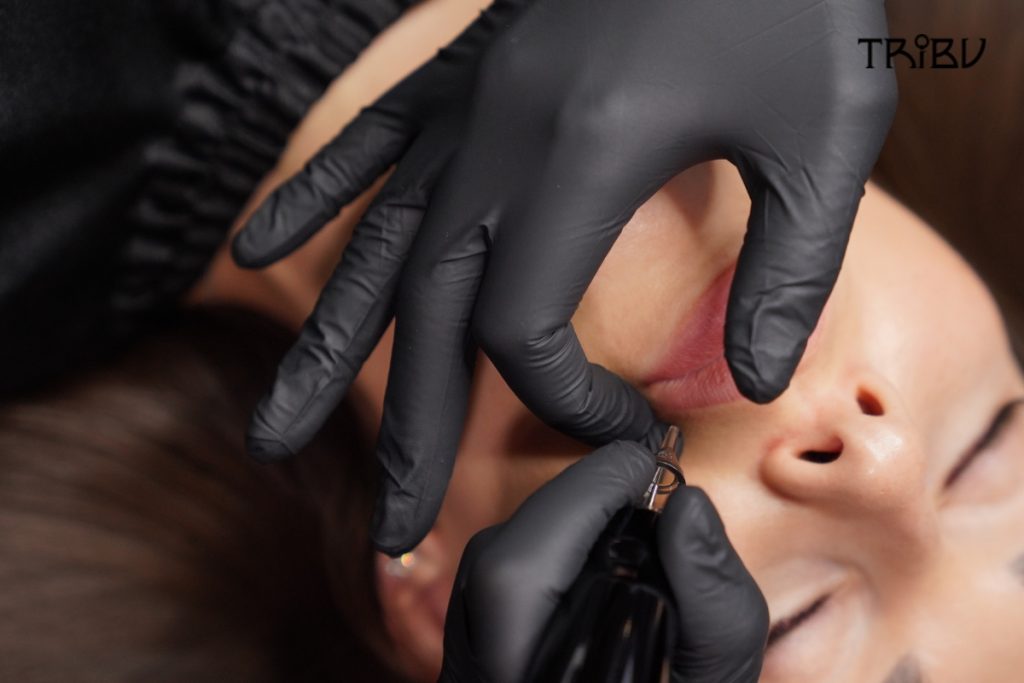
The skill of your piercer is very important. A professional piercer will:
- Assess your anatomy to find the best placement for your piercing.
- Use sterile tools and techniques.
- Provide clear aftercare instructions.
For a safe and professional experience, consider Tribu Piercings. Our piercers are trained in-house and prioritize your safety and comfort. You can learn more about our Piercing Services.
Select Appropriate Jewelry
Discuss jewelry options with your piercer. They can recommend the best material and size for your specific piercing.
- Initial Jewelry: Always start with implant-grade, hypoallergenic materials.
- Proper Fit: Ensure the jewelry is not too tight or too loose.
Follow Aftercare Instructions Carefully
Aftercare is not just a suggestion; it is a critical part of the healing process.
- Cleaning: Clean your piercing with the recommended solution (usually saline) as often as advised.
- Hands Off: Avoid touching your piercing with unwashed hands.
- Avoid Harsh Products: Do not use alcohol, hydrogen peroxide, or other harsh chemicals.
Protect Your Piercing from Trauma
Be mindful of your new piercing throughout the day.
- Clothing: Wear loose clothing around body piercings.
- Sleeping: Avoid sleeping on new ear piercings; use a travel pillow if needed.
- Activities: Be careful during sports or other activities that might bump your jewelry.
Maintain Good Health
Support your body’s healing process by:
- Eating a balanced diet.
- Getting enough rest.
- Managing stress effectively.

When to Seek Professional Help
If you suspect your piercing is rejecting, do not try to fix it yourself. Contact your piercer or a healthcare professional immediately. They can assess the situation and recommend the best course of action. Sometimes, removing the jewelry is the only way to prevent severe scarring. You can always contact us at Tribu Piercings if you have concerns about your piercing. Our team is ready to help you at our store locations.
Frequently Asked Questions
Can all piercings be rejected?
Yes, any piercing can potentially reject, but some types, like surface piercings, are more prone to it due to their shallow placement in the skin.
Will I always have a scar if my piercing rejects?
Often, yes. When a piercing rejects, it usually leaves a scar. The size and visibility of the scar depend on how far the rejection progressed and how long the jewelry was in place.
Should I remove my jewelry if I think it’s rejected?
It is best to consult with a professional piercer or doctor before removing the jewelry. They can confirm if it’s rejection and advise on the safest way to proceed to minimize scarring or further issues.
How long does it take for a piercing to reject?
Piercing rejection can happen at any time, from a few weeks after getting pierced to many months or even years later. It often progresses slowly.
Can a rejected piercing be re-pierced?
In many cases, a rejected piercing can be repierced once the area has fully healed. However, it might need to be placed in a slightly different spot, and you should always discuss this with a professional piercer.